


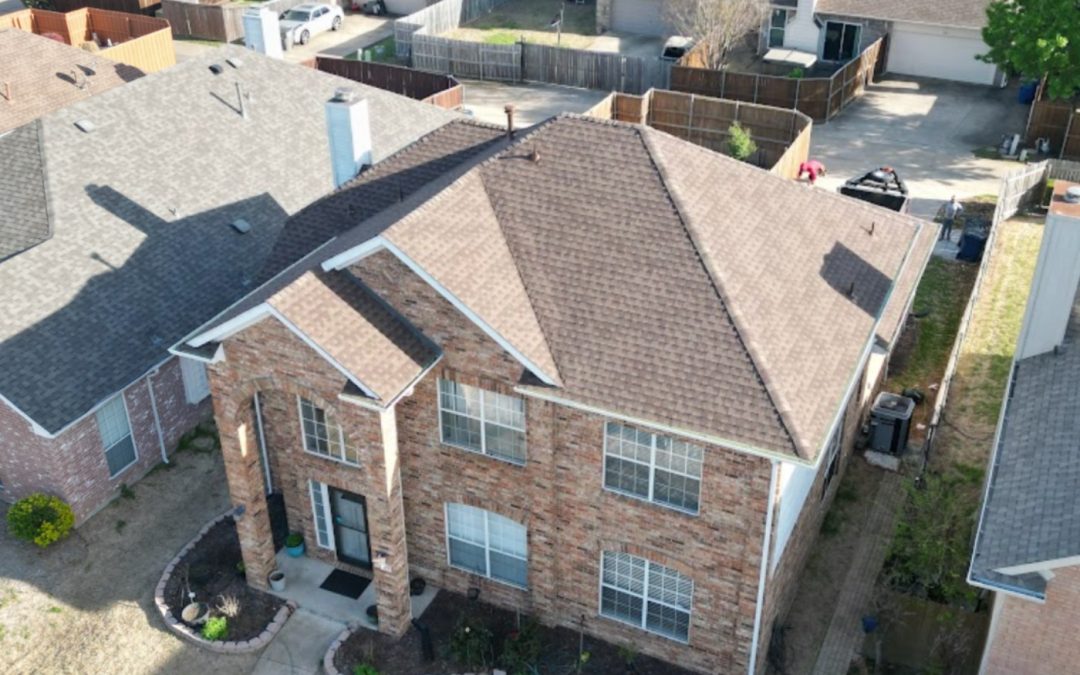
When a storm sweeps through a neighborhood, it often leaves behind a trail of damage that can be both visible and hidden. While many homeowners focus on immediate repairs and cleaning up debris, one critical aspect that should not be overlooked is the condition of the roof. Regular roof inspections in Irving, TX after a storm are essential for maintaining the integrity of your home and preventing costly repairs down the road. This blog post will delve into why roof inspections are so crucial and what homeowners should look for when assessing storm damage.
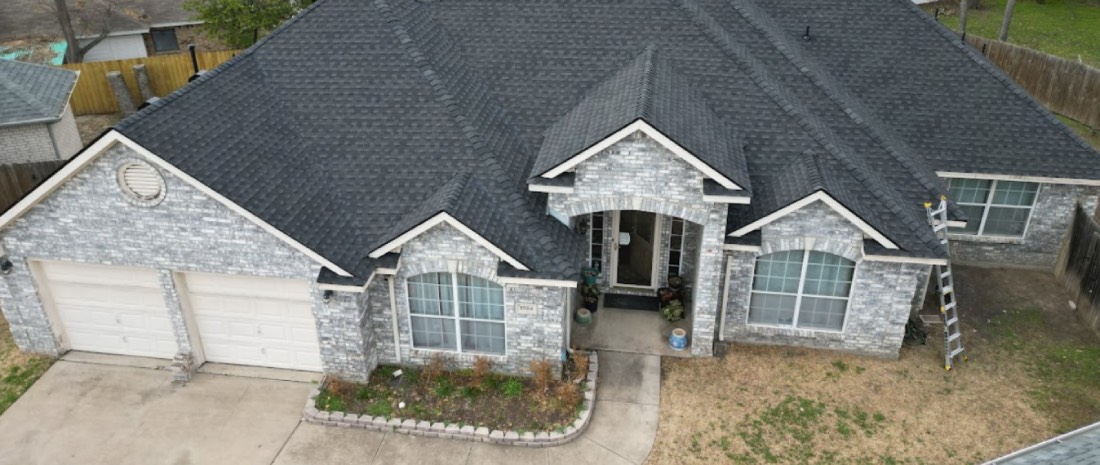
Why Roof Inspections Matter
-
Detecting Hidden Damage
Storms can cause significant damage that isn’t immediately visible from the ground. For instance, high winds can lift shingles, allowing water to seep beneath them. This hidden damage can lead to leaks and mold growth that may not become apparent until it’s too late. A professional roof inspection ensures that any damage is identified and addressed before it causes more severe problems.
-
Preventing Costly Repairs
Roof repairs can be expensive, especially if damage is left unaddressed and leads to more extensive issues. Water leaks can damage insulation, drywall, and electrical systems, creating a domino effect of repairs that can become overwhelming and costly. By catching issues early through regular inspections, homeowners can address minor repairs before they escalate into major, and more expensive, problems.
-
Extending Roof Life
A well-maintained roof can last for decades, but neglecting it after a storm can significantly shorten its lifespan. Regular inspections allow for timely repairs and maintenance, helping to extend the roof’s life and save money on premature replacement costs. Roofs that are regularly inspected and maintained are more likely to perform well over time.
-
Insurance and Claims
Many insurance policies require homeowners to maintain their property in good condition. Failing to inspect and repair storm damage promptly could potentially affect your ability to make a claim or receive full compensation. Insurance companies often look for evidence of timely maintenance and inspections when processing claims, so having a record of regular inspections can be beneficial.
What to Look For During a Roof Inspection
-
Shingle Condition
Examine the condition of the shingles for signs of damage such as cracking, curling, or missing pieces. Even if shingles appear intact from the ground, high winds and debris can cause subtle damage that may lead to future leaks.
-
Flashing and Sealant
Flashing around chimneys, skylights, and vents is designed to keep water out. Check for any damage to the flashing or deterioration of sealant, as these are common areas for leaks to develop. Ensure that the flashing is securely attached and that there are no gaps or cracks.
-
Gutters and Downspouts
Inspect gutters and downspouts for damage and clogs. Storms can cause gutters to become misaligned or detached, and debris can block water flow. Properly functioning gutters are crucial for directing water away from the roof and foundation.
-
Roof Decking
If possible, inspect the underside of the roof decking from the attic. Look for signs of water stains, mold, or sagging. These indicators can signal leaks or other issues that require attention.
-
Granule Loss
Check for granules from asphalt shingles in the gutters or around the yard. Granule loss can indicate that shingles are deteriorating and may need to be replaced. This can also affect the shingles’ ability to protect your roof from the elements.
-
Structural Damage
Examine the roof’s structure for any signs of warping or sagging. Structural damage can compromise the integrity of the roof and may require immediate attention from a professional.
When to Schedule a Professional Inspection
While homeowners can perform a basic inspection themselves, it’s advisable to hire a professional roofer to conduct a thorough roof inspection, especially after severe storms. Professionals have the expertise and equipment to safely inspect all areas of the roof and identify damage that may not be apparent to the untrained eye.
Here are a few signs that it’s time to schedule a professional inspection:
- Visible Damage: If you notice any visible damage to the roof or suspect issues after a storm, a professional inspection is recommended.
- Persistent Leaks: If you experience persistent leaks or water stains inside your home, it’s crucial to have a professional inspect the roof.
- Age of the Roof: Even if a storm didn’t cause noticeable damage, an older roof may benefit from a professional inspection to assess its overall condition.
Conclusion
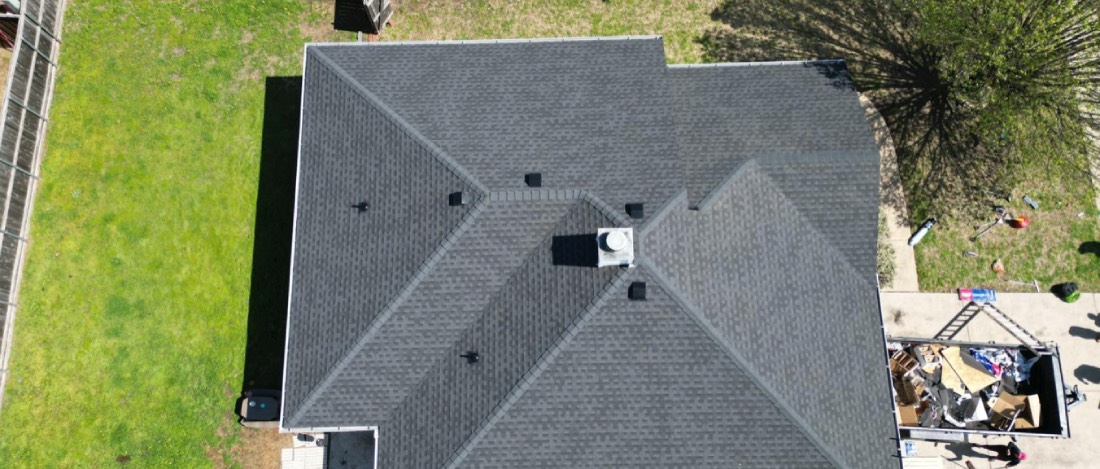
In the aftermath of a storm, the condition of your roof is not something to be overlooked. Regular roof inspections in Irving, TX are vital for detecting hidden damage, preventing costly repairs, extending the life of your roof, and ensuring that you remain compliant with insurance requirements. By being proactive and scheduling timely inspections, you can safeguard your home against further damage and maintain its value.
For homeowners in Irving, TX, the frequent storms and unpredictable weather make roof inspections especially important. Don’t wait until you see a leak or experience a major problem—schedule a professional roof inspection after each storm to keep your home in top shape. Regular maintenance and early detection of issues will help ensure that your roof continues to protect your home effectively for years to come.