


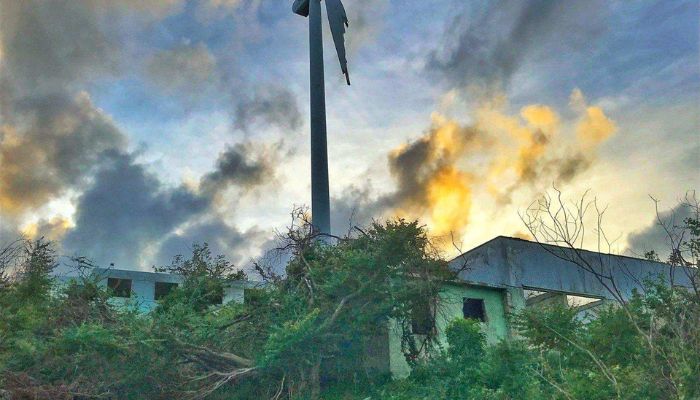
John Carpenter Freeway in Irving, TX, is a bustling area filled with homes, businesses, and commercial properties. While the location is convenient and vibrant, it’s also highly susceptible to the forces of nature, particularly wind storms. Wind storms can cause significant damage to properties, leading to expensive repairs, disruptions, and even long-term structural issues. In this blog post, we’ll explore how wind storms affect properties along the John Carpenter Freeway, the types of damage that can occur, and why it’s important to be prepared for such weather events in the Irving area.
The Vulnerability of Properties Along John Carpenter Freeway
Properties located along the John Carpenter Freeway corridor are exposed to the full force of wind storms due to the area’s flat landscape, dense urban setting, and proximity to major roads and open spaces. Wind speeds can be higher in areas without substantial barriers, such as trees or other buildings, which leave homes and businesses more exposed to damage.
Irving, TX, experiences frequent storm activity throughout the year, with wind storms being especially common in the spring and fall. These storms can range from simple gusty winds to severe thunderstorms or even tornadoes. As these weather events become more intense, the impact on properties along John Carpenter Freeway can be drastic, especially when proper precautions are not taken.
Types of Wind Damage to Properties
Wind storms can affect properties in a variety of ways. While the most obvious damage is to roofs and windows, the effects go beyond just the visible destruction. Here are some of the key types of wind damage that can occur to homes and businesses along the John Carpenter Freeway:
1. Roof Damage
The roof is one of the most vulnerable areas of any property during a wind storm. High winds can lift shingles, tiles, or metal panels, exposing the underlying structure to rain, debris, and further wind damage. Once the roof is compromised, the entire structure becomes more vulnerable to water damage and other types of issues. Additionally, if the roof is completely blown off or severely damaged, it may cause structural collapse, leading to significant damage or even total loss.
2. Window and Glass Breakage
Strong winds can send debris flying through the air, which can cause windows, glass doors, or storefronts to shatter. Not only is this a safety hazard, but it can also result in costly repairs and leave the property exposed to the elements. Broken windows allow rain and wind to penetrate the interior of the building, causing water damage to floors, walls, and furniture.
3. Structural Damage to Walls and Siding
Wind gusts can also cause damage to the exterior walls and siding of a property. If the wind is strong enough, it can bend, warp, or even tear off parts of the siding. This leaves the underlying structure exposed to the weather, which can lead to additional issues like water infiltration, mold growth, and insulation damage. For businesses, this can also impact the curb appeal and lead to costly repairs or lost revenue due to property closures.
4. Fallen Trees and Debris
During wind storms, it’s common for large trees or branches to be uprooted and fall onto nearby properties. These trees can crush roofs, fences, or vehicles, or even cause damage to electrical lines. Even smaller debris like branches, fences, or patio furniture can become projectiles, damaging windows, doors, or other exterior features. The risk of falling trees is higher in older residential areas or commercial properties with large, mature trees that haven’t been maintained properly.
5. Flooding from Wind-Driven Rain
Although wind is the primary force in a wind storm, the rain that accompanies the storm can also create significant damage. When wind-driven rain enters the property through cracks in the roof, windows, or siding, it can lead to water damage in walls, floors, and ceilings. If the storm is severe enough, it may cause localized flooding that can damage not only the structure of the property but also any belongings inside. In some cases, the combination of wind and water can lead to mold growth, which can be a serious concern if not addressed quickly.
The Impact of Wind Storms on Commercial Properties
For businesses along John Carpenter Freeway, wind storms can have a particularly significant financial impact. A business can lose both its physical infrastructure and operational time during a storm. Whether it’s a small local shop or a large corporate office, wind damage can disrupt normal operations, cause product damage, and create a loss of revenue.
- Business Interruption: If a business has sustained significant damage from wind storms, it may need to close temporarily for repairs. During this downtime, the business may lose revenue and customers, potentially affecting its long-term viability.
- Damage to Inventory: In commercial properties with valuable inventory, wind storms can cause products to be damaged by rain or broken glass. For example, retail stores with glass windows can face loss if the windows break and water floods the store.
- Liability Risks: If windstorm debris or falling objects damage nearby properties, businesses may be held liable for the damage. It’s important for businesses to have proper insurance coverage to mitigate these risks.
Long-Term Effects of Wind Storm Damage
While the immediate effects of wind storms are usually visible, the long-term damage can sometimes be more insidious. Even after a storm passes, your property might experience ongoing issues like:
- Mold Growth: When wind storms cause water damage, it can lead to mold growth in damp areas. Mold not only damages the structure of the property but can also create health risks for the occupants.
- Foundation Damage: Over time, water that seeps into the property due to wind damage can weaken the foundation. This can lead to cracks in the foundation, structural instability, and other costly repairs.
- Decreased Property Value: Even after repairs are made, a property that has experienced wind damage may see a decrease in its overall value. This can impact the resale value of homes and the rental or sale price of commercial properties.
Preparing for Wind Storms in Irving, TX
Given the frequent and often unpredictable nature of wind storms in Irving, TX, it’s important for homeowners and business owners along the John Carpenter Freeway to take proactive measures. These include:
- Strengthening Roofs: Ensure that your roof is in good condition and that shingles, tiles, or metal panels are securely fastened.
- Storm Windows: Consider installing impact-resistant windows to protect your property from flying debris and breakage.
- Tree Maintenance: Trim back large trees or remove dead trees near your property to prevent them from falling during a storm.
- Sealing Gaps: Check for cracks or gaps in windows, doors, and walls that can allow wind and rain to infiltrate your property.
- Emergency Preparedness: Have an emergency plan in place, including access to emergency repair services and insurance details.
Conclusion
Wind storms can cause extensive damage to properties along the John Carpenter Freeway in Irving, TX. From roof damage to flooding to structural damage to broken windows, the effects of wind storms are far-reaching. Being aware of the types of damage that can occur and taking steps to prepare can help mitigate the impact of these storms on your property. If wind storm damage occurs, it’s important to call a professional restoration company to assess and restore your property quickly, minimizing further damage and ensuring your home or business is safe again.