


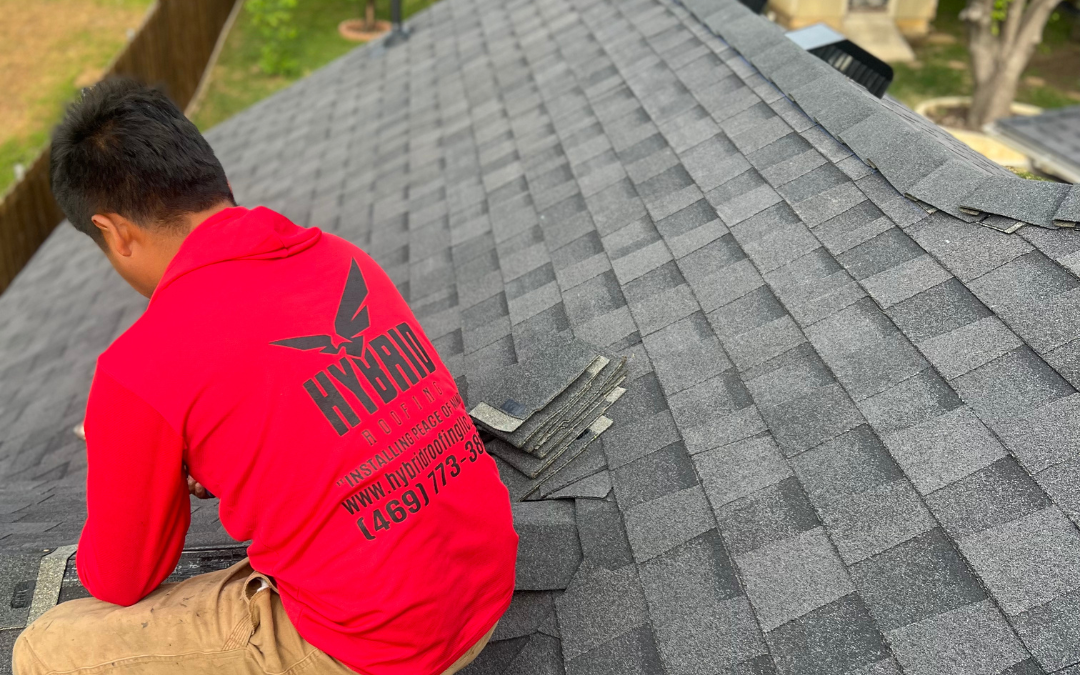
When it comes to maintaining your home, the roof is one of the most crucial aspects to keep in mind. It serves as the first line of defense against the elements, protecting everything beneath it from rain, wind, and harsh sunlight. Understanding how many layers of shingles you can have on your roof in Texas is essential for ensuring the longevity and safety of your home.
In this article, we’ll explore the regulations and best practices surrounding residential roofing in Texas, focusing on the allowable layers of shingles, and the importance of regular roof inspections.
State Guidelines on Shingle Layers
In Texas, like many other states, there are specific guidelines regarding how many layers of shingles you can have on your roof. Generally, the state allows a maximum of two layers of asphalt shingles. This regulation is in place to ensure the safety and structural integrity of residential buildings. The state’s regulations aim to prevent overburdening the roof structure, which can compromise its integrity over time.
Adding more than two layers can put excessive weight on the roof structure, which can lead to sagging, leaks, or even collapse. Excessive weight can also cause premature wear on supporting structures, increasing the risk of expensive repairs. Therefore, it’s crucial to adhere to these guidelines to avoid unnecessary risks and costly repairs. Homeowners should be proactive in understanding these regulations to maintain the value and safety of their property.
Local Building Codes
While the state provides a general guideline, it’s also important to consider local building codes, which can vary from one municipality to another. Local codes might take into account factors specific to the region, such as climate and historical weather patterns, to provide more tailored guidance. Some areas may have stricter regulations, especially in regions prone to severe weather conditions like hurricanes or heavy rainfalls.
Before making any decisions about your roof, consult with a local roofing contractor or your local building authority to ensure compliance with all applicable codes and regulations. These professionals can offer insights into local practices and help interpret complex building codes. They can also assist in obtaining necessary permits, ensuring your roofing project meets all legal requirements.
The Importance of Roof Inspections
Regular Inspections for Longevity
Regular roof inspections are vital for maintaining the health of your roof. They serve as a preventative measure, helping to catch potential problems before they escalate into major issues. By identifying issues early, you can prevent minor problems from turning into major repairs. Inspections should be done at least once a year or after any severe weather event, as these events can cause hidden damage that may go unnoticed without a thorough check.
A thorough inspection can reveal issues such as damaged shingles, leaks, or structural weaknesses, allowing you to address them promptly. Detecting these issues early can save you from more expensive repairs or replacements in the future. This proactive approach not only extends the life of your roof but also saves you money in the long run. Investing in regular inspections can greatly enhance the durability and performance of your roof over time.
Choosing a Professional Inspector
While some homeowners may feel confident conducting their inspections, hiring a professional roof inspector ensures a comprehensive evaluation. Professional inspectors are trained to spot signs of damage that are not immediately apparent to the untrained eye. Professionals have the expertise to identify subtle signs of damage that an untrained eye might miss. They can also offer advice on maintenance practices that could further extend the life of your roof.
Pros and Cons of Multiple Shingle Layers
Advantages of Adding a Second Layer
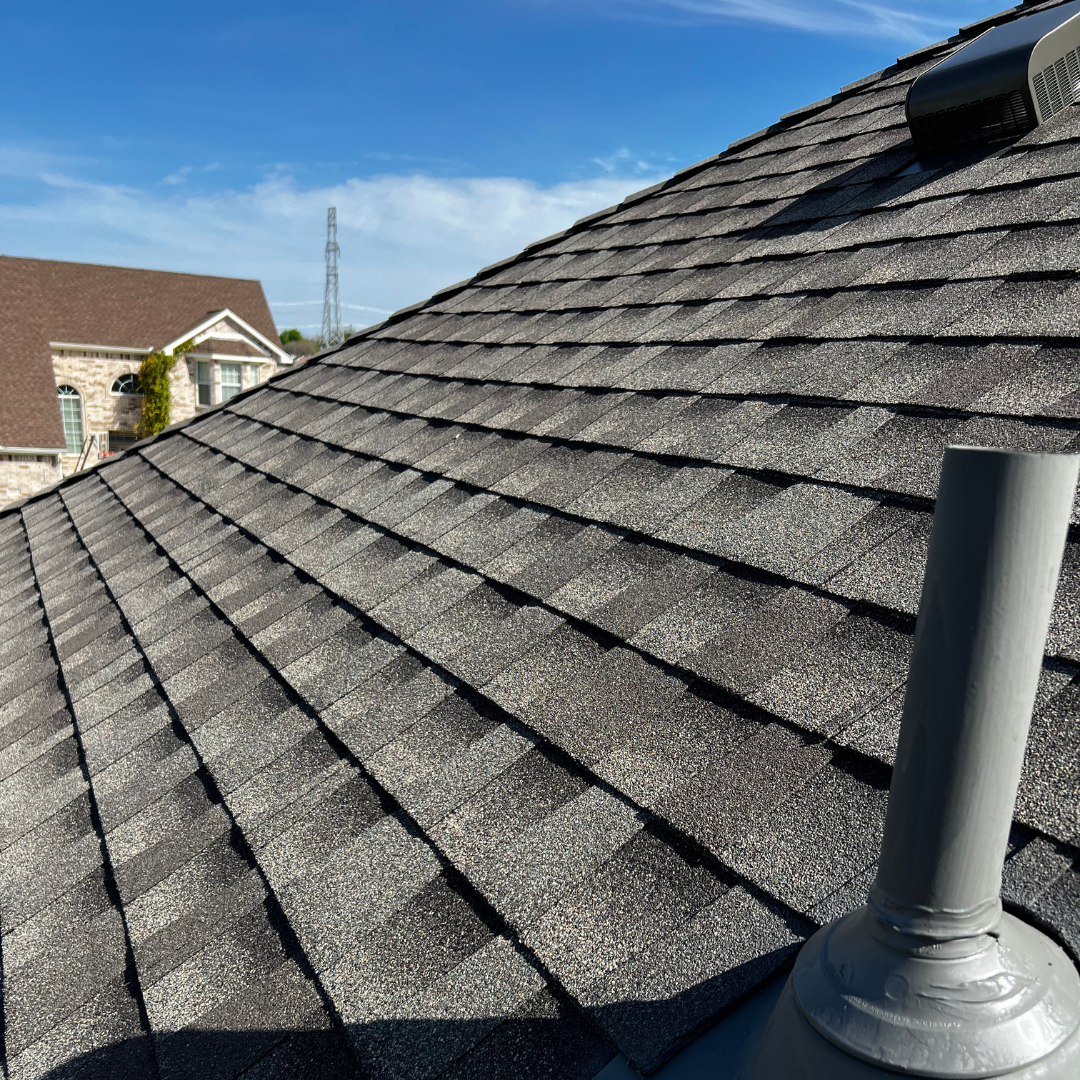
Adding a second layer of shingles can be a cost-effective solution if your roof needs an upgrade. This method, known as “re-roofing,” can save on labor and disposal costs associated with a complete tear-off. It can be a quicker solution, reducing the time your home is exposed during the roofing process.
Drawbacks to Consider
However, there are also significant drawbacks to adding multiple layers of shingles. The added weight can stress the roof’s structure, potentially leading to damage over time. This added stress can exacerbate any existing weaknesses in the roof’s framework.
A second layer can also make future inspections and repairs more challenging, as it may be harder to identify underlying problems. This can lead to increased maintenance costs and more complicated repair processes in the future. Homeowners should carefully consider these factors and consult with roofing experts to determine the best course of action for their specific situation.
When to Consider a Complete Roof Replacement
Signs It’s Time for a New Roof
Sometimes, adding a second layer isn’t the best option, and a complete roof replacement may be necessary. Several signs indicate that your roof might need a total overhaul, including extensive shingle damage or missing shingles. These signs point to underlying issues that cannot be resolved by simply adding another layer of shingles.
Persistent leaks or water damage inside the home, sagging areas on the roof, and a roof age exceeding 20-25 years are other indicators that a full replacement might be due. A roof that has reached this age may have suffered from cumulative damage over the years, making replacement the more viable option. Addressing these signs promptly can prevent further damage to your home and ensure the safety of its structure.
Benefits of a Full Replacement
Though more expensive upfront, a complete roof replacement offers several benefits. It allows for a thorough inspection of the roof deck and the opportunity to address any underlying issues. By starting fresh, you can ensure that every aspect of your roof is in optimal condition.
A new roof also provides the chance to upgrade to more durable, energy-efficient materials, which can enhance your home’s value and curb appeal. Newer roofing materials often come with improved warranties and offer better protection against the elements. Investing in a full replacement can ultimately provide peace of mind and long-term savings on maintenance and energy costs.
Conclusion
Understanding the regulations and best practices for roof shingle layers in Texas is crucial for maintaining a safe and durable roof. Adhering to these guidelines ensures that your home remains protected against the elements and retains its structural integrity. While the state generally allows up to two layers of shingles, it’s important to consider local building codes and the specific needs of your home.
Regular roof inspections and consultations with professional roofing contractors can help you make informed decisions about whether to add another layer or opt for a complete replacement. These professionals can guide you through the decision-making process, ensuring that you choose the best option for your situation. By keeping your roof in optimal condition, you ensure the safety and comfort of your home for years. For expert advice, contact our team at Hybrid Roofing today!