


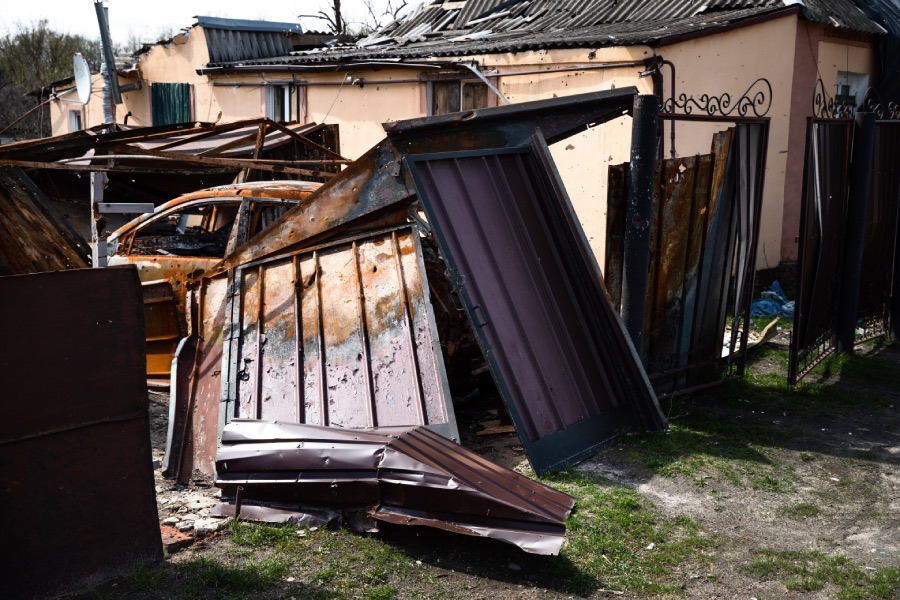
Freeway Irving, TX, a vibrant and bustling neighborhood in the heart of the Dallas-Fort Worth metroplex, is renowned for its dynamic economy and appealing residential areas. However, like many parts of Texas, it is also prone to severe weather conditions, including high winds and storms. The impact of wind damage on property value in Freeway Irving is a critical issue for homeowners, prospective buyers, real estate professionals, and insurers. Understanding this impact is essential for making informed decisions in the property market and for implementing effective mitigation strategies.
Understanding Wind Damage
Wind damage refers to the destruction or impairment of structures and properties due to high wind speeds. This type of damage is commonly associated with severe thunderstorms, tornadoes, and hurricanes. In Freeway Irving, the primary causes of wind damage include:
- Thunderstorms: Common in Texas, these can bring gusty winds that exceed 60 mph, capable of damaging roofs, windows, and other structures.
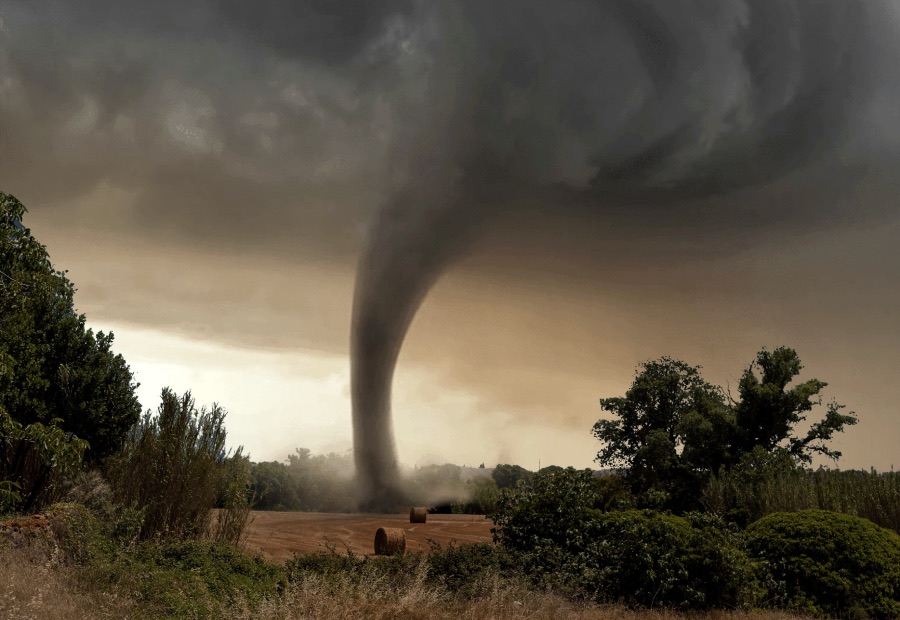
- Tornadoes: Though less frequent, tornadoes can cause catastrophic damage with winds exceeding 100 mph.
- Straight-line Winds: These are powerful winds that can cause significant damage similar to tornadoes but in a single direction.
Wind damage can manifest in various forms, including broken windows, roof damage, fallen trees, and structural compromises. Each of these damages can affect the property’s integrity, safety, and, consequently, its market value.
Economic Impact of Wind Damage
The economic impact of wind damage in Freeway Irving is multifaceted. It encompasses the immediate cost of repairs, long-term depreciation of property value, and broader implications for the local real estate market.
- Immediate Repair Costs: Wind damage often necessitates urgent repairs to restore the property’s livability and safety. These repairs can be costly, involving expenses for roofing, windows, structural repairs, and landscaping. According to the National Storm Damage Center, the average cost of repairing wind damage in Texas can range from $5,000 to $10,000, depending on the severity of the damage.
- Depreciation of Property Value: Properties that have sustained significant wind damage may experience a depreciation in value. Buyers tend to be wary of homes with a history of severe damage, leading to lower offers and longer time on the market. Studies indicate that homes with damage histories can sell for 10-20% less than comparable undamaged properties. In Freeway Irving, this could mean a substantial loss in value, especially in neighborhoods where home prices are already high.
- Insurance Premiums and Costs: The frequency and severity of wind damage can influence insurance premiums for homeowners. Properties in wind-prone areas like Freeway Irving often face higher premiums, reflecting the increased risk. Over time, these higher costs can deter potential buyers and impact the overall attractiveness of the area.
- Market Perception and Stability: Persistent wind damage issues can alter the perception of a neighborhood. If an area is repeatedly hit by severe weather, it may be seen as a high-risk location, affecting demand and leading to lower property values. In Freeway Irving, where the market is competitive, such perceptions can have a pronounced effect on property values.
Mitigation Strategies and Solutions
To mitigate the impact of wind damage on property values, various strategies can be implemented by homeowners, local authorities, and real estate professionals.
- Homeowner Actions:
- Reinforcement and Maintenance: Regular maintenance and reinforcement of roofs, windows, and doors can significantly reduce wind damage. Installing storm shutters, reinforced garage doors, and wind-resistant roofing materials can enhance a property’s resilience.
- Landscaping: Proper landscaping, including trimming trees and securing outdoor furniture, can minimize the risk of damage from falling debris.
- Insurance Review: Homeowners should review their insurance policies to ensure adequate coverage for wind damage. This includes understanding deductibles, coverage limits, and any exclusions related to wind damage.
- Local Authority Initiatives:
- Building Codes and Standards: Implementing and enforcing stringent building codes that require wind-resistant construction materials and techniques can reduce the extent of damage. This includes adopting standards set by organizations like the International Code Council (ICC).
- Emergency Preparedness: Local authorities can enhance emergency preparedness by developing response plans, conducting regular drills, and providing resources to residents on how to prepare for severe weather.
- Real Estate Professional Guidance:
- Disclosure and Transparency: Real estate professionals should ensure full disclosure of any past wind damage and repairs when listing properties. Transparency builds trust with buyers and can help manage expectations.
- Market Education: Educating buyers about the steps taken to mitigate wind damage and highlighting resilient features can enhance a property’s appeal.

Long-term Considerations
Addressing the impact of wind damage in Freeway Irving requires a long-term perspective. Climate change is expected to increase the frequency and severity of extreme weather events, including high winds and storms. As such, the community must proactively adapt to these changes to safeguard property values and ensure the area’s continued growth and prosperity.
- Sustainable Development: Promoting sustainable development practices that consider climate resilience can enhance the long-term stability of property values. This includes designing neighborhoods with natural windbreaks, using sustainable materials, and incorporating green infrastructure.
- Community Engagement: Engaging the community in resilience-building efforts is crucial. Community programs that educate residents about wind damage mitigation, provide resources for reinforcement, and foster a culture of preparedness can strengthen the neighborhood’s overall resilience.
- Research and Innovation: Investing in research and innovation to develop new materials, construction techniques, and predictive technologies can provide long-term solutions to wind damage. Public-private partnerships can drive advancements in this area, benefiting homeowners and the broader real estate market.
Conclusion
The impact of wind damage on property value in Freeway Irving, TX, is a significant concern for all stakeholders in the local real estate market. By understanding the economic implications, learning from case studies, and implementing effective wind damage mitigation strategies, the community can better protect its properties and maintain market stability. Long-term resilience requires a concerted effort from homeowners, local authorities, and real estate professionals to adapt to changing weather patterns and build a more secure future for Freeway Irving. Through proactive measures and a commitment to sustainable development, the neighborhood can continue to thrive despite the challenges posed by wind damage.