


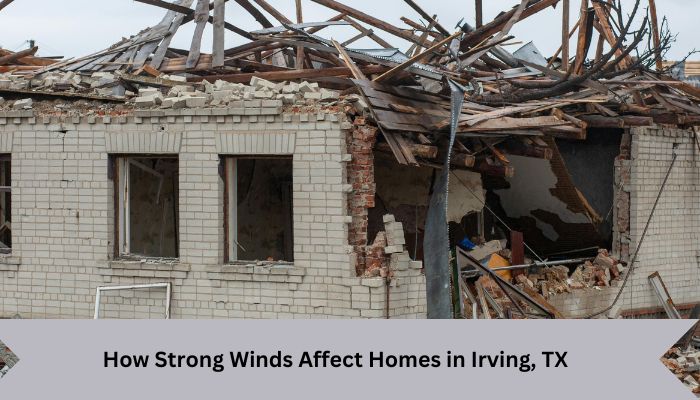
Wind damage is a serious concern for homeowners, especially in areas where severe weather events and strong winds are not uncommon. Whether it’s a sudden storm or a seasonal weather pattern, strong winds can cause significant damage to homes and properties. In this blog post, we’ll explore how wind damage affects homes, the types of damage homeowners may face, and what steps can be taken to repair and prevent further issues. That is when homeowners should look for professional Wind damage Restoration in Irving, TX.
What Causes Wind Damage in Irving, TX?
Irving, located in the heart of Texas, experiences a range of weather conditions, from high winds in thunderstorms to occasional tornadoes. The central location of Irving places it in the path of weather systems coming from both the north and south, increasing the frequency and severity of storms. Additionally, the region is prone to seasonal changes, where warm and cool air masses collide, leading to volatile weather patterns.

How Strong Winds Affect Homes in Irving
Wind damage can occur as a result of any of the following types of weather:
- Thunderstorms: Severe thunderstorms, often accompanied by heavy rain and hail, can generate damaging winds. While winds in these storms may not always reach the speed of a tornado, they can still cause significant damage to roofing, windows, and landscaping.
- Tornadoes: Although rare, tornadoes do occur in the Dallas-Fort Worth area, including Irving. These highly localized but extremely powerful storms can cause catastrophic damage to buildings, stripping off roofs, downing trees, and throwing debris.
- Hurricanes or Tropical Storms: While Irving isn’t directly on the Gulf Coast, it can still experience the effects of hurricanes and tropical storms as they make their way inland. These storms can bring intense winds that impact roofs, windows, and structural elements of homes.
- Straight-line Winds: These winds are caused by a sudden downdraft of air in a thunderstorm and can have the same destructive power as a tornado, though they are not as localized. Straight-line winds can cause extensive damage over a large area, uprooting trees and damaging buildings.
Regardless of the specific type of wind event, it’s clear that homes in Irving are at risk for wind damage. It’s crucial for homeowners to understand how these winds affect properties and how to prepare for and respond to such events.
Types of Wind Damage in Irving, TX
Wind damage can affect a variety of areas around the home. Some of the most common types of wind damage homeowners in Irving may experience include:
1. Roof Damage
The roof is the most vulnerable part of a house when it comes to wind damage. High winds can cause shingles to lift, crack, or even be torn off entirely. This can expose the underlying structure to water damage, which can lead to leaks and significant structural issues. In some cases, if the wind is strong enough, it can cause partial or complete roof collapse. This kind of damage can be costly to repair and should be addressed immediately to prevent further harm.
2. Broken Windows and Siding Damage
Windows are another common casualty of high winds. Flying debris or large hail can shatter windows, leaving homes vulnerable to rain, moisture, and even intruders. Additionally, siding can be torn off or dented by strong winds or flying debris. Whether it’s vinyl, wood, or fiber cement siding, wind damage can compromise the integrity of the exterior, leading to more costly repairs.
3. Tree Damage
Strong winds often cause trees and large branches to fall, which can result in significant damage to roofs, vehicles, fences, and power lines. In some cases, uprooted trees can cause structural damage, compromising the foundation or causing walls to buckle. Homeowners may also face damage to landscaping elements such as bushes, flower beds, and garden structures.
4. Flooding and Water Damage
While flooding is typically associated with heavy rainfall, wind-driven rain can also cause water intrusion into homes. As wind pushes rain horizontally, it can infiltrate through windows, doors, and unsealed areas of the home. If the roof has been compromised by wind, water can leak inside, leading to water damage on ceilings, walls, and floors. If left untreated, water damage can lead to mold growth and structural decay.
5. Power Outages and Related Damage
Strong winds, especially from storms or tornadoes, can knock out power lines, causing outages that may last for hours or even days. In some cases, power surges when the electricity is restored can damage appliances and electronics. Additionally, fallen power lines can pose safety hazards, so it’s important to stay clear of these areas until professionals arrive to address the situation.
Steps to Take After Wind Damage in Irving, TX
If you’ve experienced wind damage in your home, it’s important to take swift action to assess and address the situation. Here’s a step-by-step guide on how to respond and afterwards opt for Wind damage Restoration Services.
1. Safety First
Before you do anything, make sure everyone in your household is safe. If there’s been significant structural damage, such as a roof collapse or fallen trees, leave the building and wait for emergency services to clear the area. Avoid downed power lines and report them to the utility company immediately.
2. Assess the Damage
Once it’s safe to do so, conduct a thorough inspection of your property. Look for visible damage to your roof, windows, siding, and trees. Take detailed notes and photographs to document the damage for insurance purposes.
3. Contact Your Insurance Company
Contact your homeowner’s insurance company as soon as possible. Many insurance policies cover wind damage, and they will likely send an adjuster to assess the damage. Make sure to ask about the specific coverage for wind damage in your policy and what steps you need to take to file a claim.
4. Temporary Repairs and Mitigation
If possible, take steps to prevent further damage. For example, if your roof has missing shingles, you may want to temporarily cover the area with tarps to prevent rain from entering. Board up broken windows or use plastic sheeting to seal areas where water could infiltrate. These temporary repairs will help reduce the severity of the damage until professional restoration services can be scheduled.
5. Hire Professional Restoration Services
While temporary repairs may help, it’s important to hire professionals for the actual restoration process. Wind damage restoration experts have the tools, skills, and experience to properly assess and repair the damage. They can restore the structural integrity of your home, prevent mold growth, and ensure that your property is safe and secure.
Preventing Wind Damage in the Future
While you can’t control the weather, there are steps you can take to minimize the risk of wind damage in the future:
- Reinforce the Roof: Ensure that your roof is properly installed and that shingles are securely fastened. Regularly check for loose shingles and replace any damaged ones.
- Trim Trees and Bushes: Regularly maintain your trees and bushes, trimming back any branches that could fall onto your house during a storm.
- Install Impact-Resistant Windows: Consider installing impact-resistant windows or storm shutters, which can help protect against wind and flying debris.
- Seal Gaps and Cracks: Check your home for any gaps in siding, doors, or windows, and seal them to prevent wind and water infiltration.
Conclusion
Understanding wind damage and its potential impact on your home is crucial for homeowners. By knowing what types of damage to look for and how to take swift action after a wind event, you can minimize the effects of windstorms on your property. Always prioritize safety, contact your insurance provider, and work with professional wind damage restoration services in Irving, TX to ensure your home is repaired properly and securely. Additionally, taking preventative steps to protect your home from future wind damage can provide peace of mind during storm season.