


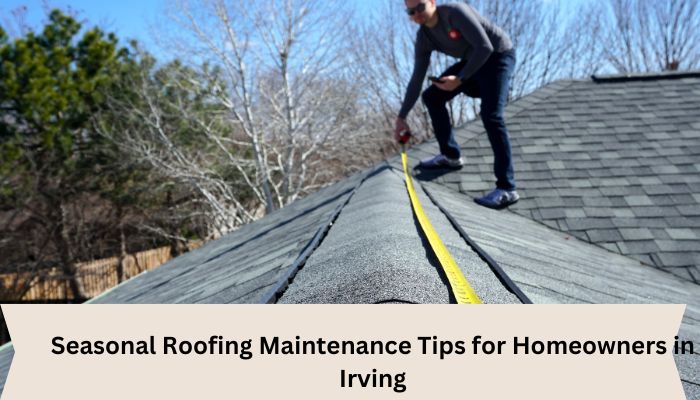
As a homeowner in Irving, TX, maintaining your roof is crucial for protecting your home from the elements. The climate here can be unpredictable, with hot summers, mild winters, and occasional storms. To keep your roof in optimal condition, it’s essential to follow seasonal maintenance tips. This comprehensive guide will help you understand what needs to be done throughout the year to ensure your roof remains durable and efficient.
Spring: Inspect and Prepare
1. Conduct a Thorough Inspection
Spring is an ideal time to inspect your roof after the harsh winter months. Look for signs of damage, such as missing or cracked shingles, leaks, or sagging areas. Pay special attention to areas around chimneys, vents, and skylights, as these are common trouble spots.
2. Clean Gutters and Downspouts
Clearing out your gutters and downspouts is essential for proper drainage. Clogged gutters can lead to water pooling on your roof, causing leaks and potential structural damage. Use a sturdy ladder to safely remove debris like leaves and twigs, and flush the gutters with water to ensure they’re functioning properly.
3. Trim Overhanging Branches
Trees near your home can pose a threat to your roof. In spring, trim back any overhanging branches to prevent them from scratching or damaging your shingles during windy conditions. This also helps reduce the amount of debris that can accumulate in your gutters.
Summer: Protect Against Heat
4. Check for UV Damage
The intense Texas sun can take a toll on your roof. Look for signs of UV damage, such as faded shingles or cracked materials. Consider applying a reflective roof coating to reduce heat absorption, which can help lower your energy bills.
5. Ensure Adequate Ventilation
Good ventilation is crucial in the summer to keep your attic cool and prevent heat buildup. Check your attic vents and ensure they’re not obstructed. Consider installing ridge vents or gable vents if your home lacks proper airflow.
6. Monitor for Leaks
With the arrival of summer storms, it’s vital to monitor your roof for leaks. After heavy rain, check your attic and ceilings for signs of moisture. If you notice any leaks, address them immediately to prevent further damage.
Fall: Prepare for Winter
7. Inspect for Damage
As the weather cools, it’s time for another inspection. Look for any signs of damage that may have occurred over the summer. Pay attention to shingles, flashing, and seals around vents and chimneys.
8. Clean Your Roof
While it’s essential to keep your gutters clean, your roof itself can also accumulate debris. Use a soft-bristle broom to gently sweep away leaves and branches. Avoid pressure washing, as it can damage shingles.
9. Check Insulation and Ventilation
Proper insulation helps maintain a consistent temperature in your home, preventing ice dams in winter. Inspect your attic insulation and ensure there are no gaps. Additionally, check your ventilation to ensure it’s working correctly.
Winter: Protect and Monitor
10. Monitor Snow Accumulation
In Irving, while heavy snowfall is rare, it can happen. If snow accumulates on your roof, avoid letting it sit for long periods. Use a roof rake to gently remove snow, being careful not to damage the shingles underneath.
11. Inspect for Ice Dams
Ice dams can form when heat escapes from your home and melts snow on the roof, causing water to refreeze at the eaves. This can lead to water backing up under your shingles and causing leaks. If you notice ice buildup, consider improving your attic insulation and ventilation to reduce heat loss.
12. Schedule a Professional Inspection
Winter is an excellent time to schedule a professional roofing inspection. A qualified contractor can identify issues you may have missed and recommend solutions to ensure your roof is ready for the coming spring.
Additional Tips for Year-Round Maintenance
13. Document Everything
Keep a maintenance log of all inspections, repairs, and replacements. Documenting your roof’s condition over time can help you identify patterns and potential issues, making it easier to address them proactively.
14. Invest in Regular Professional Inspections
While DIY maintenance is essential, nothing beats the expertise of a professional. Consider scheduling inspections at least once a year, preferably in the spring or fall, to catch any potential issues early.
15. Know When to Replace
Understanding the lifespan of your roofing materials can help you plan for replacements. Asphalt shingles typically last 15-30 years, while metal roofs can last 40 years or more. If your roof is nearing the end of its lifespan, start budgeting for a replacement.
Conclusion
Maintaining your roof throughout the seasons is essential for protecting your home and ensuring its longevity. By following these seasonal roofing repair tips, homeowners in Irving can proactively address potential issues, prolong the life of their roofs, and ultimately save money on costly repairs. Don’t hesitate to consult with a professional roofing contractor for additional guidance and support tailored to your home’s specific needs. With proper care, your roof can withstand the elements and keep your home safe and comfortable for years to come.
Hybrid roofing combines different materials, such as asphalt shingles and metal panels, to optimize durability, energy efficiency, and aesthetic appeal. This innovative approach allows homeowners to benefit from the strengths of multiple roofing types, enhancing both performance and style.